Choosing the Right Commercial Cleaning Plan
Maintaining a clean and organized workspace is essential for businesses of all sizes. Clean environments contribute to employee productivity, safety, and overall satisfaction. Selecting an appropriate commercial cleaning plan requires careful consideration, as each business has unique needs. Understanding the options available can simplify decision-making and ensure consistent results.
Assessing Business Requirements
Every business has different requirements based on size, industry, and daily activity. High-traffic areas such as lobbies, restrooms, and kitchens often demand more frequent cleaning. Offices with multiple employees may require regular sanitization of shared surfaces. Meanwhile, facilities with specialized equipment or sensitive materials may need customized cleaning approaches. Evaluating the specific needs of a workspace is the first step in creating an effective cleaning plan.
Identifying critical areas that require attention helps allocate resources efficiently. A detailed inspection can reveal areas prone to dust accumulation, staining, or bacterial growth. By understanding these aspects, businesses can prioritize tasks and set realistic cleaning schedules. This approach minimizes disruptions and ensures essential areas receive appropriate care.
Frequency of Cleaning
The frequency of cleaning plays a crucial role in maintaining a professional environment. Daily cleaning ensures that surfaces remain hygienic, especially in high-use areas. Weekly deep cleaning can address less visible issues, including carpets, floors, and furniture. Monthly or quarterly services may focus on tasks such as window washing or equipment maintenance. Selecting the right balance between routine cleaning and deep cleaning helps manage costs while keeping the workspace presentable.
Regular assessments of cleaning frequency can further improve results. Businesses may start with an initial plan and adjust the schedule based on observed needs. For instance, seasonal changes or increased visitor traffic may require additional services. Flexibility in planning ensures that cleaning standards remain consistent throughout the year.
Types of Cleaning Services
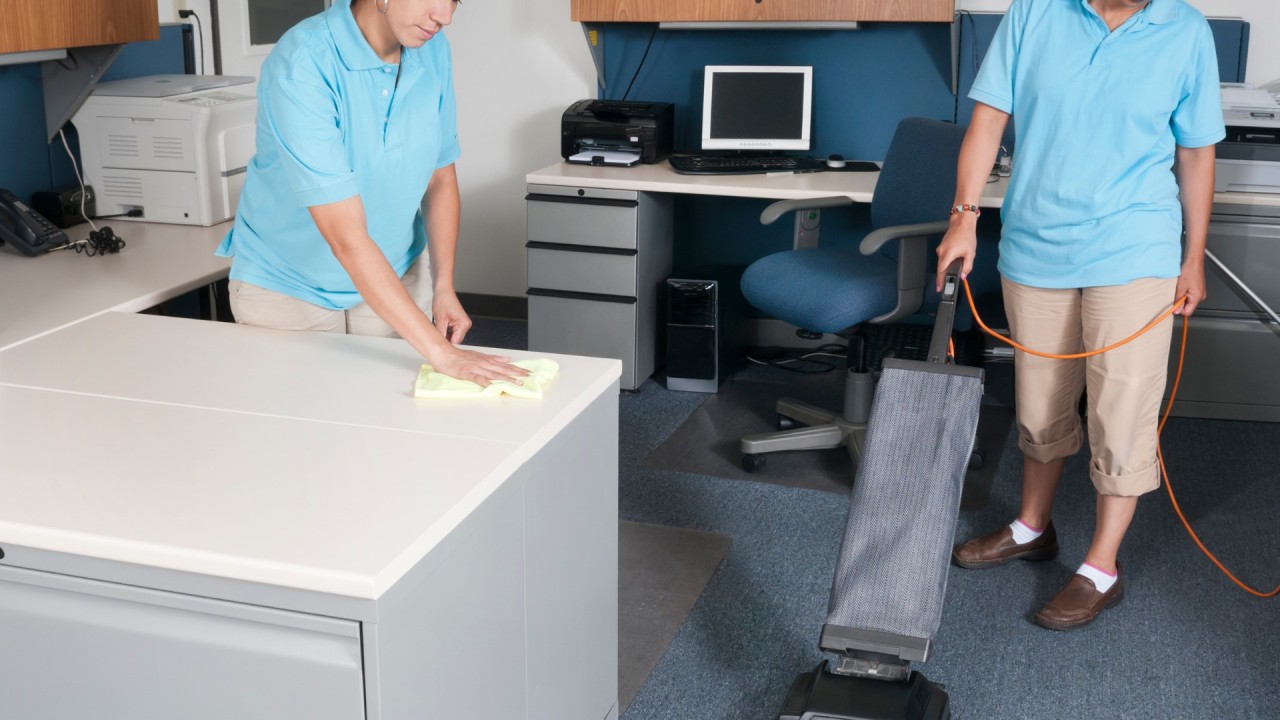
Commercial cleaning services encompass a wide range of options. Basic janitorial services typically include vacuuming, dusting, trash removal, and restroom maintenance. Specialized services may involve carpet cleaning, upholstery care, or floor polishing. Some businesses may benefit from environmentally friendly cleaning solutions that reduce chemical exposure. Understanding the types of services available helps in selecting a plan that aligns with operational requirements.
Many facilities also consider disinfection services, especially in areas with high employee interaction. Targeted sanitization reduces the risk of illness and promotes a healthier work environment. Businesses that provide food services or handle sensitive materials may require additional safety-focused cleaning procedures. Evaluating the range of services ensures comprehensive coverage without unnecessary overlap.
Budget Considerations
Cost is a significant factor when choosing a commercial cleaning plan. While it may be tempting to select the least expensive option, quality and consistency are equally important. Low-cost services may offer limited coverage or inconsistent results, ultimately leading to higher long-term expenses. Conversely, investing in professional services can save time and protect workplace assets.
Businesses should request detailed quotes that outline the scope of work and frequency of services. Transparent pricing enables informed decisions and avoids unexpected charges. Comparing multiple providers allows evaluation of service quality, reliability, and flexibility. A well-planned budget supports sustainable cleaning practices without compromising standards.
Staff and Expertise
The experience and training of cleaning personnel influence the effectiveness of services. Skilled professionals understand proper techniques for different surfaces, materials, and equipment. They follow safety protocols and use appropriate cleaning solutions, reducing the risk of damage or contamination. Choosing a service provider with trained staff ensures consistent results and minimizes operational disruptions.
Additionally, the use of modern equipment can enhance cleaning efficiency. Advanced vacuums, floor scrubbers, and sanitization tools help achieve a higher standard of cleanliness. However, technology alone is insufficient without trained personnel who understand its proper application. Businesses benefit from services that combine expertise, equipment, and careful planning.
Environmental and Health Considerations
Workplace hygiene directly affects employee health and productivity. Dust, allergens, and bacteria can contribute to illness and absenteeism. Regular cleaning reduces these risks and creates a more comfortable environment. Selecting services that incorporate safe cleaning products further supports health and environmental goals. Many organizations now prefer solutions that minimize chemical exposure while maintaining high performance.
Businesses may also adopt recycling and waste management practices as part of their cleaning plan. Separating recyclable materials and reducing waste promotes sustainability and responsible facility management. Incorporating environmentally conscious practices reflects positively on the organization and aligns with broader societal expectations.
Customization and Flexibility
No two businesses operate identically, and cleaning plans should reflect this reality. Customizable services allow adjustment of frequency, scope, and focus areas according to changing needs. For example, seasonal demands or special events may require temporary enhancements to standard routines. Flexible plans ensure that the cleaning schedule evolves alongside the business without causing interruptions.
Custom solutions also address unique challenges such as equipment sensitivity, storage arrangements, or client-facing areas. Prioritizing these elements enhances operational efficiency and contributes to a polished workplace appearance. Clear communication between the service provider and the business ensures that expectations are understood and met consistently.
Evaluating Service Providers
Choosing the right provider requires careful assessment of reliability, reputation, and experience. Businesses may review client testimonials, certifications, and past performance to determine suitability. Providers with a strong track record demonstrate the ability to maintain consistent quality and meet diverse requirements. Clear communication, responsiveness, and accountability further indicate a dependable service.
For businesses seeking professional assistance, consulting with providers of commercial cleaning services in Stonefields offers insight into available options. These services often present structured plans that balance cost, efficiency, and comprehensive coverage. Reviewing proposals allows businesses to make informed decisions tailored to operational needs.
Monitoring and Feedback
Maintaining cleaning standards requires ongoing evaluation and feedback. Regular inspections help identify areas for improvement and ensure that tasks are completed as expected. Employees can provide valuable input on overlooked areas or emerging concerns. Implementing a feedback loop fosters continuous improvement and encourages accountability.
Periodic review of cleaning plans also allows adjustment to changing circumstances. Facility expansions, staffing changes, or seasonal variations may influence cleaning requirements. By staying attentive to evolving needs, businesses ensure that cleaning remains effective, efficient, and aligned with organizational goals.
Conclusion
Selecting the right commercial cleaning plan is a strategic decision that impacts productivity, health, and overall workplace appearance. Businesses benefit from assessing requirements, understanding service types, and evaluating cost and expertise. Flexibility, customization, and ongoing monitoring help maintain high standards over time. By considering these factors, organizations can establish effective cleaning routines that support a safe, organized, and welcoming environment.